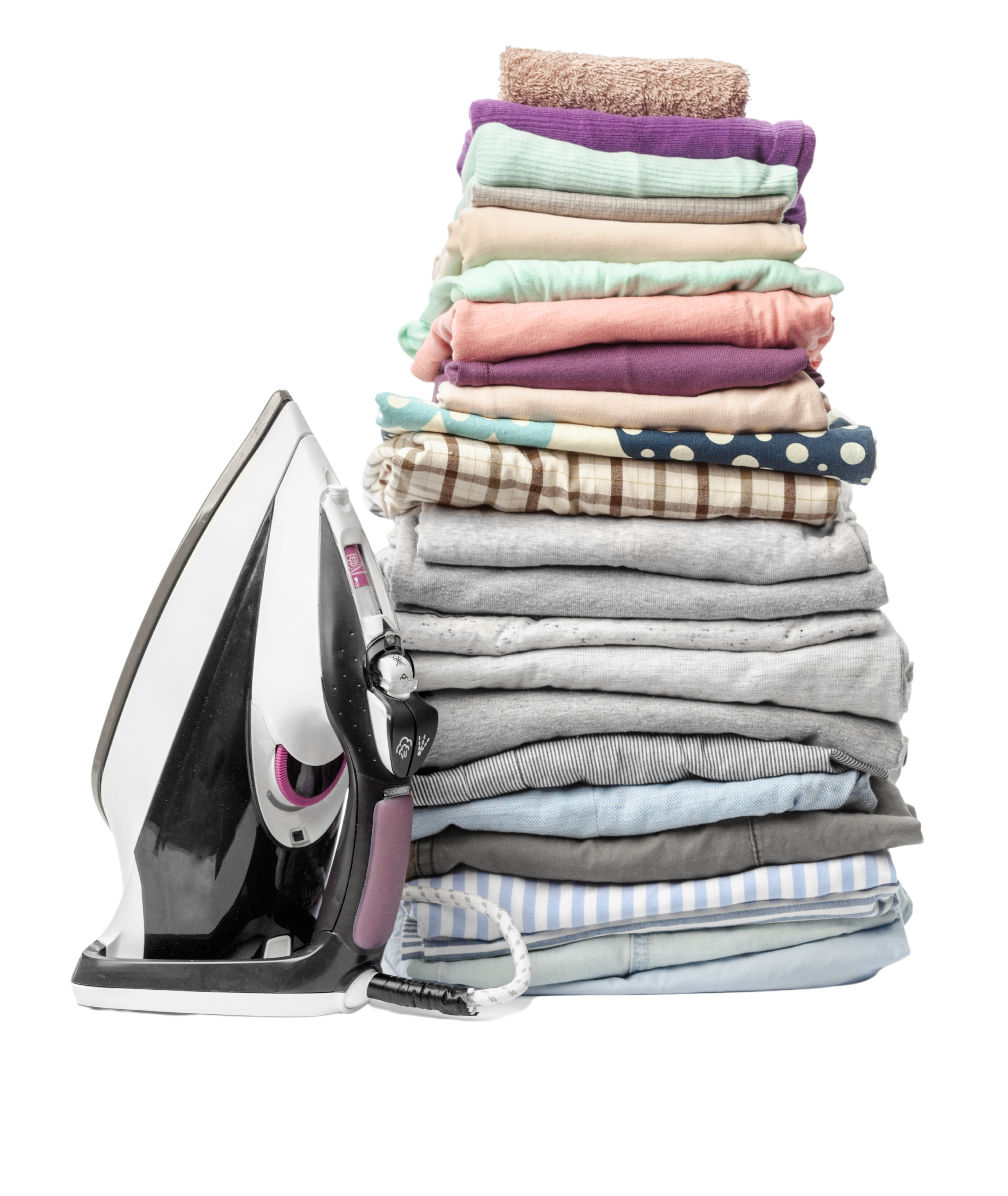

The process of a commercial laundry might seem simple. But it comes with meticulous planning. A trusted service provider has a standard washing procedure that not only cleans the clothes but also keeps them in good condition! Every stage, from collection and pre-wash treatment to washing, drying, folding, and packing, plays a critical role.
Here’s how it works: you drop off your items and let the team know what services you want. Some businesses may just want washing and drying, whereas others might want wash-and-fold. It depends on your needs. You can either drop off the items or have them collected. Then comes the sorting, washing, drying, and folding. Each step has a proper method to ensure hygiene. This is great for businesses that have large loads of laundry like hotels, gyms, hospitals, etc.
How a Professional Commercial Laundry Service Works
Wondering how it works? You’ve come to the right place. Here are the different steps.
1. Collection and Reception
Every successful commercial laundry begins with collection. Unlike in-house washing, commercial laundry often handles large orders from businesses like hotels, hospitals, gyms, and restaurants. At this stage:
- Items are collected and tagged with labels.
- Clothes are sorted based on customer details.
- Any missing or damaged fabric is noted before processing.
This careful step builds trust since customers rely on transparency. Accurate sorting not only prevents mix‑ups but also saves time during further processing.
2. Pre-Wash Care
Before the main wash, the clothes go through a pre-wash to treat stains and check for damage. For instance, restaurant towels often have tough oil stains, and hospital sheets may carry biological residues. During this step:
- Special stain treatments are applied to target problem areas like grease or blood without harming the fabric.
- Delicate items such as silk or lace are handled gently to avoid damage. This pre-treatment makes the main wash more effective as it loosens stains and dirt. It also ensures that clothes come out cleaner and fresher because it tackles tough spots early on.
3. Main Wash Cycle
This is the heart of the process. Heavy-duty machines use water, heat, and detergents to clean on a large scale. Unlike household washers, industrial laundry machines have multiple cycle options with strict control over:
- Water levels and temperature.
- Detergent distribution.
- Wash phases scheduled with mechanical action.
Hospitals may require higher temperatures for disinfection, while hotels demand freshness with fragrance. Correct balancing here ensures cleanliness without damaging fibers. Commercial laundry services aim to handle large volumes while achieving consistent quality.
4. Drying
Next comes drying. Nobody wants their clothes damp when they receive them, especially after getting a cleaning service. Besides, if clothes are overdried, they can shrink, and if they’re underdried, they can develop mildew. This is why professionals use commercial dryers to make sure everything is perfectly dry before it’s returned. While some delicate items can be air-dried, dryers work best for handling large loads fast.
5. Folding
Once the clothes are dry, the next step is folding them. This might seem simple, but it’s really important for making everything look neat. Staff does this by hand.
Folded clothes are easier to handle and store, which is a big help for businesses. It also makes the items look more professional, whether they’re going to a hotel, restaurant, or gym. This step ensures that everything is not only clean but also ready for the customer to use.
6. Inspection and Quality Assurance
Skilled staff check every garment for:
- Leftover stains or damage.
- Cleanliness and odor.
- Proper finishing, including folding or pressing quality.
Anything that doesn’t pass inspection checks is sent back for reprocessing. This quality assurance step ensures every piece meets the client’s high standards. This is especially important for healthcare and hospitality clients. Flawless linen management builds trust and ensures guest safety.
Conclusion
Commercial laundry is done in a well-controlled series of steps. Each step, from collection and pre-washing to drying and finishing, ensures that the cloth looks and feels fresh. High hygiene standards are maintained through special moisture removal techniques, ironing, and check-ups before delivery.
Commercial laundries are not similar to in-house laundry due to their professional employees and advanced technology. Hotels, hospitals, and gyms, in turn, rely only on specialized suppliers.
Contact The Laundry Store for professional cleaning services.